Dubai Real Estate Market Evolution: A Story of Vision, Resilience, and Transformation (2000-2024)
Updated: Nov 5, 2024
The Dubai real estate market is a true marvel, a vibrant reflection of the city’s journey from a quiet desert town to a global icon of ambition and luxury. This evolution, spanning from the early 2000s to 2024, tells a compelling story of vision, adaptability, and forward-thinking strategies that have positioned Dubai as a world leader in real estate innovation. Here’s a look at the significant phases that shaped Dubai’s property market and what they mean for the city’s future.
2000-2002: The Birth of a Global Real Estate Hub

In 2000, Dubai’s leadership set the stage for a new era in property investment. A pivotal move came in 2002 when Sheikh Mohammed bin Rashid Al Maktoum announced that foreigners could own freehold property in select areas. This historic decision quickly drew global interest, making Dubai one of the few places in the Gulf where international investors could own real estate outright. This new policy ignited a wave of investments and put Dubai on the map as a burgeoning real estate hub, laying the foundation for an unprecedented era of growth.
2003-2008: - Ambition and Skyline Redefined
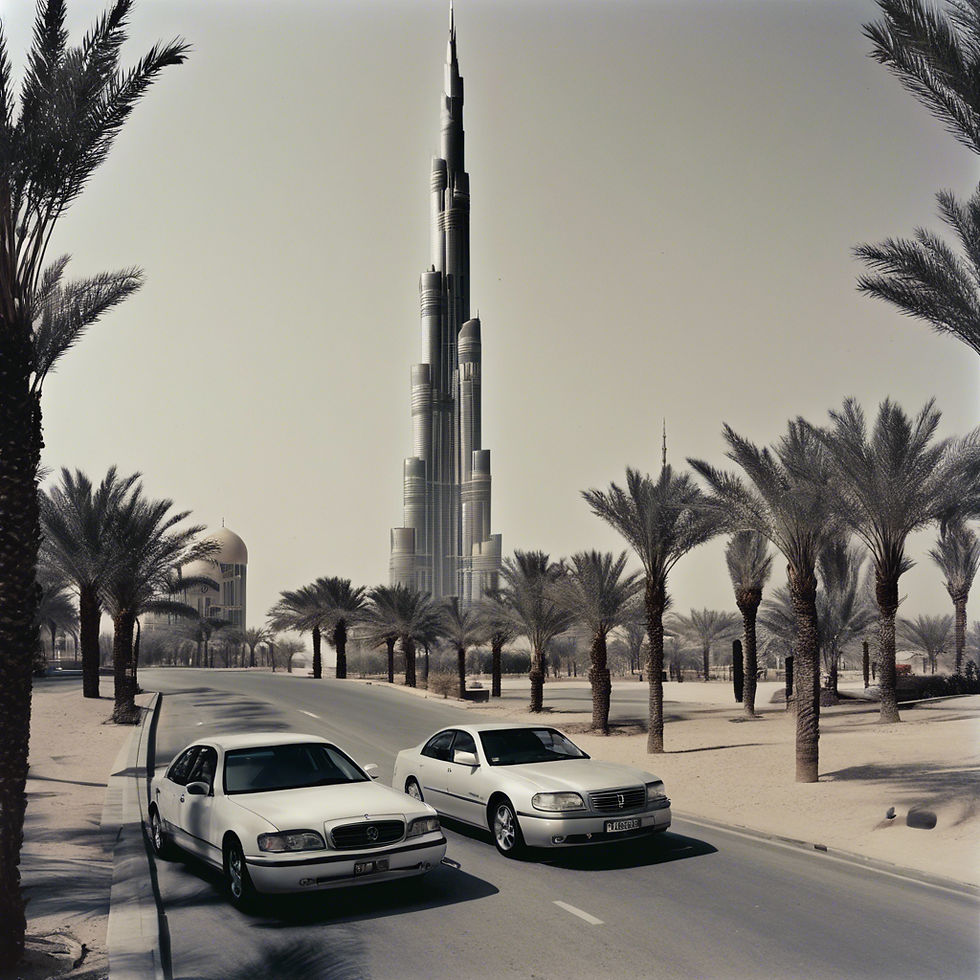
Dubai’s real estate market surged between 2003 and 2008, fueled by iconic projects that reshaped the city’s skyline and pushed architectural boundaries. Palm Jumeirah, a man-made island resembling a palm tree, captured imaginations worldwide, while Dubai Marina became a sought-after destination for luxury waterfront living. During this period, construction on the Burj Khalifa began—a symbol of Dubai’s ambition to reach new heights.
Attracted by Dubai’s reputation for luxury and tax-free status, investors and expatriates flocked to the city, pushing property prices to record highs. The market’s momentum was relentless, with properties appreciating at lightning speed. Yet, as demand outpaced supply, the market began to show signs of overheating—a foreshadowing of the challenges to come.
2008-2011: Global Financial Crisis and the Road to Recovery

When the 2008 financial crisis swept across the globe, Dubai’s real estate market felt the impact sharply. Property prices plummeted, dropping by up to 50% in some areas, and many projects stalled as financing dried up and confidence waned. Construction sites once bustling with activity went quiet, and the city faced a sobering reality check.
In response, Dubai took swift and decisive action. The Real Estate Regulatory Agency (RERA), established in 2007, played a crucial role in restoring order and transparency to the market. RERA introduced regulations to curb speculative activity and protect investors, creating a more secure environment. Dubai’s resilience shone through as it laid the groundwork for a more sustainable, regulated market.
2012-2014: Rebound and the Promise of Expo 2020

By 2012, Dubai was regaining its footing, with property values slowly rebounding. In 2013, the city received a powerful boost with the announcement that Dubai would host Expo 2020. This landmark event was not only a prestigious honor for Dubai but also a significant catalyst for the property market, as it promised an influx of visitors, businesses, and investment.
Developers and investors saw Expo 2020 as a long-term growth opportunity, and projects that had been delayed during the crisis were revived with renewed vigor. The market’s recovery was more measured this time, as developers and investors alike focused on building sustainable value over speculative gains.
2015-2019: Stability, Affordability, and Community-Centric Development

By 2015, Dubai’s real estate market was entering a phase of maturity and stability. Government policies introduced mortgage caps and transaction fees to reduce speculation and promote sustainable growth. Developers began to diversify their offerings, with an emphasis on creating affordable housing options to meet the needs of Dubai’s growing middle-class population.
This shift marked a turning point. Dubai South, for example, exemplified the concept of liveable, family-friendly communities with accessible housing, green spaces, and integrated amenities. This period saw Dubai broadening its appeal beyond high-end luxury to cater to a wider range of residents and lifestyles.
2020-2021: Resilience in the Face of a Global Pandemic

The COVID-19 pandemic in 2020 created a new wave of challenges, as uncertainty gripped the market and transactions slowed. However, Dubai once again demonstrated resilience and adaptability. The government introduced visa reforms, flexible payment plans, and a range of incentives to keep the market moving.
The luxury property segment experienced a surprising resurgence, as international buyers sought stability in Dubai’s villa communities like Palm Jumeirah and Emirates Hills. These neighborhoods, with their spacious layouts and outdoor areas, became highly desirable for those looking for more space and comfort in a world adjusting to new norms. Dubai’s quick rebound highlighted its appeal as a haven for wealth and investment even in turbulent times.
2022-2024: Expo Legacy and a Vision for the Future

The delayed Expo 2020, held from October 2021 to March 2022, marked a new chapter for Dubai. The event attracted millions of visitors and sparked renewed interest in Dubai’s real estate market. The Golden Visa and other long-term residency options further cemented Dubai’s attractiveness as a destination for global talent, entrepreneurs, and investors.
From 2022 to 2024, the real estate market continued its upward trajectory, focusing on sustainability, smart city technology, and quality of life. Mega-projects like the Dubai Creek Tower and the Dubai Urban Master Plan 2040 underscored Dubai’s commitment to becoming a sustainable, future-ready metropolis. This period not only reinforced Dubai’s status as a property market leader but also positioned it as a pioneer in urban development for the 21st century.
Conclusion:
A Market of Ambition, Resilience, and Endless Opportunity
Dubai’s real estate journey from 2000 to 2024 is more than just a market story; it’s a testament to the city’s unyielding ambition and ability to adapt. From opening its market to foreign investors to navigating financial crises and a global pandemic, Dubai’s property sector has proven resilient and adaptable, evolving with the times while staying true to its vision.
Looking ahead, Dubai’s focus on sustainability, community living, and technological integration signals a bright future. This is a market that continues to set trends, offering endless possibilities for investors, residents, and dreamers. Dubai is not just a city of towering skyscrapers and luxury—it's a place of vision, opportunity, and a promise of innovation that will keep shaping the future.


Comments